


Exploring the Benefits of Solar Energy in Rural Communities
- Owen Tango
- Aug 3, 2025
- 3 min read

Solar energy is transforming the way rural communities access power. With abundant sunlight and increasing technology affordability, solar power offers a sustainable and cost-effective solution for many areas. This article explores the numerous benefits of solar energy in rural settings, practical considerations for installation, and how it can improve quality of life.
How Solar Energy Empowers Rural Communities
Solar energy provides a reliable source of electricity where traditional grid connections may be limited or expensive. Rural areas often face challenges such as frequent power outages or lack of infrastructure. Solar panels can generate electricity locally, reducing dependence on distant power plants.
Some key advantages include:
Energy independence: Households and farms can produce their own power.
Lower energy costs: Solar reduces or eliminates electricity bills.
Environmental benefits: Solar power is clean and renewable, reducing carbon footprints.
Job creation: Installation and maintenance create local employment opportunities.
Improved access to services: Electricity enables better healthcare, education, and communication.
For example, a small farm in a remote area can use solar panels to power irrigation pumps, lighting, and refrigeration. This increases productivity and reduces fuel costs.
Understanding Solar Energy Systems for Rural Use
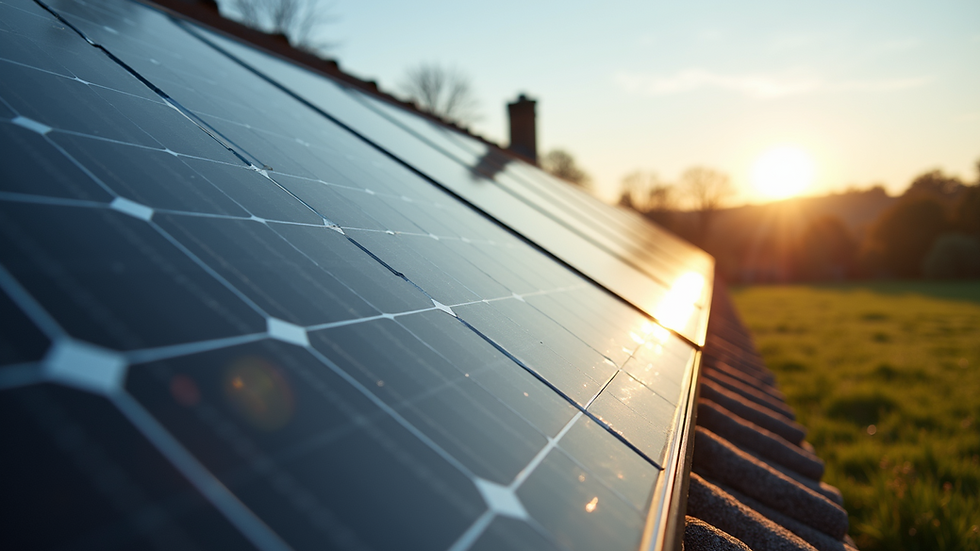
Solar energy systems typically consist of photovoltaic (PV) panels, an inverter, batteries for storage, and sometimes a backup generator. The panels convert sunlight into electricity, which can be used immediately or stored for later use.
In rural communities, off-grid or hybrid solar systems are common. Off-grid systems operate independently from the main power grid, ideal for isolated locations. Hybrid systems combine solar with grid power or other energy sources for greater reliability.
When planning a solar installation, consider:
Energy needs: Calculate daily electricity consumption.
Sunlight availability: Assess local solar irradiance.
System size: Choose panel capacity and battery storage accordingly.
Installation site: Ensure panels face south and are free from shading.
Maintenance: Plan for regular cleaning and inspections.
Local companies specializing in solar panels can provide tailored solutions. For instance, residents in West Cork can explore options with solar panels west cork providers who understand regional conditions.

What is the average cost of solar panel installation in Ireland?
The cost of installing solar panels in Ireland varies depending on system size, type, and location. On average, a typical residential solar PV system (around 4 kW) costs between €4,000 and €6,000 before grants or incentives.
Additional factors influencing cost include:
Battery storage: Adding batteries can increase costs by €3,000 to €6,000.
Installation complexity: Roof type and accessibility affect labor charges.
Government incentives: Grants and schemes can reduce upfront expenses.
The Sustainable Energy Authority of Ireland (SEAI) offers grants to support solar installations, making solar energy more affordable for rural homeowners. It is advisable to get multiple quotes and consult with certified installers to find the best value.

Practical Tips for Maximizing Solar Energy Benefits
To get the most out of solar energy in rural areas, consider these actionable recommendations:
Optimize panel placement: Ensure panels are angled correctly and free from shade.
Use energy-efficient appliances: Reduce overall consumption to maximize solar usage.
Monitor system performance: Use apps or meters to track energy production and usage.
Maintain panels regularly: Clean dust and debris to maintain efficiency.
Combine with other renewables: Wind or micro-hydro can complement solar power.
Community solar projects can also be effective, where multiple households share a larger solar array. This approach reduces individual costs and fosters cooperation.
The Future of Solar Energy in Rural Development
Solar energy is poised to play a critical role in rural development worldwide. As technology advances and costs continue to fall, more communities will gain access to clean, affordable power. This shift supports sustainable agriculture, education, healthcare, and economic growth.
Governments and organizations should focus on:
Expanding incentives and financing options.
Providing training and support for local installers.
Promoting awareness of solar benefits.
Encouraging integration with smart grid technologies.
By embracing solar energy, rural communities can build resilience, reduce environmental impact, and improve living standards.
Solar energy offers a promising path for rural areas seeking reliable and sustainable power. With practical planning and support, solar installations can transform lives and economies. Whether for a small farm or a remote village, harnessing the sun’s energy is a smart investment in the future.


Comments